-
Lijiang & Dali (Late October): Sitting at high elevation 2000 m, Dali and Lijiang drop in temperature moving into November. Visiting in late October secures comfortable, sunny autumn daytime temperatures 18 to 22 C before cold alpine nights set in.
-
Xishuangbanna ( Early November): Located on the tropical border with Laos, Xishuangbanna stays warm to hot 30 C year-roundt.
Leg 1: Lijiang (Saturday, Oct 24 – Wednesday, Oct 28)
The average Lijiang october temperature is about 20°C in the day and 9°C at night.
Day 1: Saturday, Oct 24 — Afternoon Arrival & Old Town Stroll
Arrive in Lijiang in the afternoon and check into your accommodation in or near the historic center.

- Afternoon & Evening: Explore the Old Town of Lijiang. Wander along its stone-paved streets, wooden Naxi architecture, and central waterways. Head up to Wangu Tower on Lion Hill for a panoramic evening view over the tiled rooftops.
Day 2: Sunday, Oct 25 — Snow Mountain & Glacier Valley
Dedicate the day to high-altitude natural landscapes north of the city.

Morning: Take a cable car up Yulong Snow Mountain (Jade Dragon Snow Mountain) to reach Glacier Park, standing over 4,500 meters above sea level.

Day 3: Monday, Oct 26 — Naxi Culture & Classical Reflections
Enjoy a relaxed day exploring heritage villages and classical garden scenery.

Morning: Visit Baisha Ancient Town Square, a traditional village famous for its Ming dynasty mural paintings and relaxed, authentic Naxi community atmosphere.

Afternoon: Head to 丽江黑龙潭 (Black Dragon Pool Park) to view the iconic reflection of Jade Dragon Snow Mountain across the spring water.
Day 4: Tuesday, Oct 27 — Scenic Hikes or Shuhe Old Town
-
Daytime: Spend a peaceful day exploring nearby Shuhe Old Town, or take an optional trip to Tiger Leaping Gorge for a day hike along the Yangtze River.
-
Evening: Prepare your bags for the high-speed train trip to Shangri-La the following morning.
Leg 2: Shangri-La (Wednesday, Oct 28 – Saturday, Oct 31)
Shangrila’s late October temperature is about 15°C in the day and 5°C at night.
Day 5: Wednesday, Oct 28 — High-Speed Train & Tibetan Old Town
Board the morning train from Lijiang to Shangri-La (approx. 1.5-hour journey).

Afternoon: Settle into your hotel and explore Dukezong Ancient City, Shangri-La Administration Committee. Walk up Guishan Hill to spin the massive golden prayer wheel overlooking the town.
-
Evening: Experience local Tibetan cuisine, such as yak hotpot and butter tea.
Day 6: Thursday, Oct 29 — Sacred Monasteries

Morning: Visit 噶丹松赞林 (Songzanlin Monastery), the largest Tibetan Buddhist monastery in Yunnan, often referred to as the “Little Potala Palace.” Walk around Ramshang Lake directly across from the complex for photos of the golden roofs.
-
Afternoon: Visit Napa Lake (Napahai) wet grassland to view grazing yaks, horses, and migratory birds.
Day 7: Friday, Oct 30 — High-Plateau Lakes & Forests

Daytime: Explore Potatso National Park (Pudacuo), home to alpine lakes, primeval pine forests, and marshland boardwalks.
-
Evening: Stroll through Dukezong’s central square to watch locals perform evening traditional circle dances.
Leg 3: Dali (Saturday, Oct 31 – Tuesday, Nov 3)
Dali weather in early Nobember daytime around 20C, nights around 8C
Day 8: Saturday, Oct 31 — Train to Dali & Ancient City Nightlife
Board the high-speed train south from Shangri-La to Dali (approx. 2 to 2.5 hours).

- Afternoon & Evening: Check in near Dali Ancient City. Walk down Foreigner’s Street and Renmin Road, explore the historic city gates, and sample local Bai ethnic snacks like grilled rufan (cheese slates).
Day 9: Sunday, Nov 1 — Lake Views & Bai Architecture

Morning: Head to the shoreline of Erhai Lake. Rent an e-bike or bicycle to ride along the scenic western lake parkway.

Day 10: Monday, Nov 2 — Ancient Monuments & Cangshan Mountain

-
Morning: Visit the iconic , an 8th-century structure with reflecting pools set against the Cangshan Mountains.
-
Afternoon: Ride the Gantong cable car up Cangshan Mountain for high-elevation views over Dali and Erhai Lake.
Day 11: Tuesday, Nov 3 — Departure to Xishuangbanna
-
Morning: Take a high-speed train transfer from Dali Railway Station down south to Xishuangbanna
Pu’er’s rich tea heritage and lush ecology with the vibrant Dai culture, night markets, and tropical landscapes of Xishuangbanna.
Pu’er Region (Nov 3 – Nov 5)
Nov 3: Arrival in Pu’er & Tea Culture Experience
Arrive at Pu’er Railway Station on November 3rd and check in to your local accommodation. Take the afternoon to ease into the region’s rich Pu’er tea history.
-
Visit the Pu’er Tea Museum or explore the Ancient Tea Horse Road Town area to observe local tea processing, sample raw (sheng) and ripe (shou) Pu’er teas, and learn about historic trade routes.
Nov 4: Day Trip to Pu’er Sun River Forest Park

-
Walk along wooden boardwalks beneath dense tropical rainforest canopy.
-
Observe native wildlife in open, semi-wild environments, including red pandas, slow lorises, and northern white-cheeked gibbons.
-
Experience local ethnobotanical trails showcasing indigenous medicinal plants used by local minority groups.
Xishuangbanna: Menghan & Botanical Garden Base (Nov 5 – Nov 9)
Nov 5: High-Speed Train to Xishuangbanna & Check-in at Jinghong Manzhelan Inn
Board the morning high-speed train from Pu’er to Xishuangbanna Railway Station. From the station, head to Jinghong Manzhelan Inn in Menghan Town.
-
Settle into your inn nestled near traditional Dai villages along the Lancang (Mekong) River.
-
Stroll through nearby Ganlanba (Menghan) to admire stilted Dai timber houses, quiet temple grounds, and roadside tropical fruit stands.
Nov 6: Day Trip to Xishuangbanna Tropical Botanical Garden

Take a full day trip to Xishuangbanna Tropical Botanical Garden of the Chinese Academy of Sciences in Menglun.
-
West Area: Explore curated themed zones including the Giant Water Lily Garden, Palm Garden, Ethnobotany Garden, and Flower Garden.
-
East Area: Hike through preserved primary tropical rainforest trails featuring massive buttress roots, stranger figs, and epiphytes.
-
Use the park’s electric shuttles to navigate between the vast eastern and western sectors efficiently.
Nov 7: Dai Culture & Ganlanba Exploration
Enjoy a relaxed day immersed in local Dai traditions near your base in Menghan.
-
Visit local Theravada Buddhist temples such as the Menghan Grand Temple to appreciate unique Dai architectural motifs and gilded stupas.
-
Sample regional Dai cuisine, including pineapple sticky rice, lemongrass grilled fish, and fresh passion fruit juices at local village eateries.
Nov 8: Dai Ethnic Garden & Lancang River Walk
Spend your last full day based in Menghan exploring neighboring cultural parks along the riverbank.
-
Walk along the riverside path near Binjiang Road during golden hour for views across the Lancang River.
-
Visit the Dai Minority Park to see traditional handicraft demonstrations, including hand-woven Dai textiles and slow-wheel pottery.
Xishuangbanna: Gaozhuang & Jinghong Base (Nov 9 – Nov 14)
Nov 9: Transfer to Gaozhuang & Starlight Night Market

Explore Jinghong, a city in the far south of the Chinese province of Yunnan, the seat of the Xishuangbanna Dai Autonomous Prefecture, and the historical capital of the former Tai kingdom of Sipsongpanna.

- As night falls, explore one of Asia’s largest night markets, located behind the Shwedagon-style pagoda. Browse vibrant stalls selling Dai handicrafts, local woven textiles, and tropical street food under brightly colored paper umbrellas.
Nov 10: Manting Imperial Garden & Qingzhen Temple
Dedicate today to exploring the historical heart of central Jinghong.

The Manting Imperial Garden, also known by the Dai people as the “Soul Garden”, is located southeast of Jinghong, the capital of Dai Autonomous Prefecture of Xishuangbanna/Sipsongpanna in Yunnan Province, approximately 2 kilometers from the urban area.
- Morning: VisitManting Park, formerly the royal garden of the Dai king. Explore peacocks roaming the grounds, lush botanical displays, and historic monuments like the Zhou Enlai statue.
-
Afternoon: Walk directly from Manting Park into the adjoining Zongfo Temple (Xishuangbanna General Buddhist Temple), the primary center for Theravada Buddhism in the region.
Nov 11: Day Trip to Wild Elephant Valley

Take a day trip north to Xishuangbanna Wild Elephant Valley Tropical Rain Forest Scenic Area
-
Hike the elevated rainforest canopy walkways designed to allow visitors to observe wild Asian elephants safely in their natural habitat.
-
Visit the elephant rescue center to learn about regional conservation efforts, human-elephant conflict mitigation, and habitat restoration.
Nov 12: Day Trip to Ancient Tea Mountains
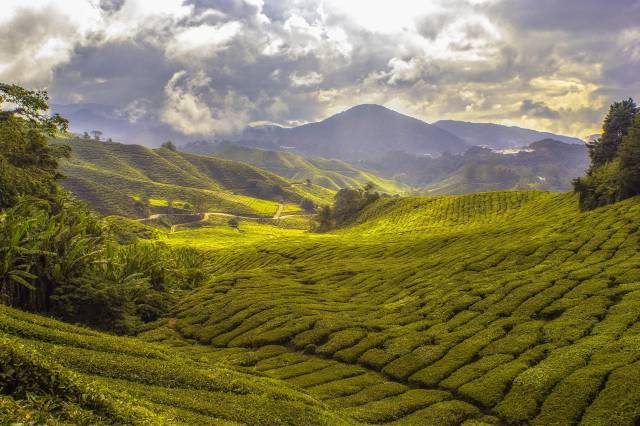
Nannuoshan (Mount Nannuo) is located in eastern Menghai County within the Xishuangbanna Dai Autonomous Prefecture, Yunnan, China.
It is situated along Highway G218, roughly halfway between Jinghong City to the east and the main town of Menghai to the west:
-
Geographic Position: Part of the Ailao Mountain range in southwestern Yunnan, known for its high-altitude mist and fertile tropical mountain soil.
-
Proximity to Jinghong: Approximately 30 km (about a 45-to-60-minute drive) west of downtown Jinghong.
-
Proximity to Menghai Town: Roughly 25 km east of Menghai’s central urban area.
The mountain encompasses several traditional Hani and Dai minority villages (such as Banpo Old Village) scattered across its slopes at elevations ranging between 1,200 and 1,900 meters, where ancient Pu’er tea trees have been cultivated for over 800 years.
Nov 13: Free Day in Jinghong & Souvenir Shopping
Use your final full day for flexible exploration around Jinghong.
-
Visit the Xishuangbanna Tropical Flowers Garden or wander through the local city markets for dried tropical fruits, tea cakes, and spices.
-
Enjoy a relaxed final evening along the Lancang River boardwalk or back at the night market.
Scams and Traps
While southern Yunnan is generally safe and welcoming, several tourist traps, local markups, and common scams target visitors in Pu’er and Xishuangbanna. Recognizing these ahead of time will help you protect your wallet and enjoy your trip.
1. Pu’er Tea Traps & Pricing Marks
-
Fake “Ancient Tree” (Gushu) Tea: In ancient tea mountains like Nannuoshan, vendors often sell tea labeled as coming from 500+ year-old trees. True ancient tree Pu’er is rare, highly expensive, and rarely sold directly to walk-in tourists. Most cheap “Gushu” tea is made from young plantation bushes (Taidi cha).
-
Tour Bus Tea Factory Stops: Buying tea during tour stops or large factory demonstrations often leads to high prices for low-grade tea under high pressure.
-
Avoidance Strategy: Sample teas freely, but refrain from paying large sums unless you are an experienced collector. Buy small souvenirs or purchase from established shops in downtown Pu’er/Jinghong with clear, posted prices rather than from roadside vendors in tourist zones.
2. Night Market & Photography Scams (Gaozhuang / Starlight Market)
-
Dai Ethnic Dress Photo Traps: Gaozhuang is famous for ethnic makeup and photoshoot experiences. Many street studios advertise low prices (e.g., 99–199 RMB), but add mandatory fees later for eyelash application, accessories, raw photo file transfers, or high-end retouching.
-
Overpriced Street Snacks: Starlight Night Market vendors often markup tropical fruits, skewers, and insects for tourists.
-
Avoidance Strategy: If doing a photoshoot, agree on a written contract covering all inclusions (number of photos, editing, eyelashes, hair, raw files) before paying. For food, explore markets further from Gaozhuang, like Jiangbian Night Market or Menghan village markets, where prices are lower.
3. Transport & Taxi Overcharging
-
Unmetered “Black Taxis” (Heiche): Private drivers outside train stations (Pu’er & Xishuangbanna) and scenic areas like Wild Elephant Valley often charge inflated flat rates.
-
Tuk-Tuk / Auto-Rickshaw Markups: Electric Rickshaws around Gaozhuang frequently ask for 20–30 RMB for short 1 km trips that should cost 5–10 RMB.
-
Avoidance Strategy: Use ride-hailing apps like Didi to secure fixed, fair pricing. If taking a regular taxi, ensure the driver turns on the meter (dǎbiǎo). Agree on a fixed total price with tuk-tuk drivers before boarding.
4. Scenic Spot “Extras” & Elephant Tourism Traps
-
Hidden Fees at Attractions: Admission tickets to major parks (e.g., Botanical Gardens, Wild Elephant Valley) cover entrance only. Internal electric shuttle cars (guānguāng chē), cable cars, and special shows require separate tickets, adding to your expenses.
-
Unethical Elephant Encounters: Beyond official sanctuaries, unauthorized roadside attractions or private “parks” offer elephant rides or forced performances under poor welfare conditions.
-
Avoidance Strategy: Purchase bundled tickets (Entrance + Shuttle) at official booking centers or online apps (e.g., Trip.com / Meituan) to avoid surprise costs at the gate. Stick to observation walkways in state-managed parks like Wild Elephant Valley and avoid third-party riding activities.
5. Temple & Religious Scams
-
Incense & Blessing Traps: At popular temples around Manting Park and Dai minority villages, rogue “monks” or vendors may hand you large sticks of incense or perform a quick blessing, then demand a steep cash donation (100–500 RMB).
-
Avoidance Strategy: Politely decline items handed to you inside or near temple grounds unless you intend to donate. Real Theravada Buddhist monks in Xishuangbanna do not aggressively request cash from tourists.
6. Restaurant Surcharges & Fresh Seafood Traps
-
Unquoted Seafood / River Fish Prices: Riverside Dai restaurants occasionally list seafood or Lancang River fish by weight (per 500g / jīn) without specifying the total weight before cooking, resulting in inflated bills.
-
Table Set Charges: Small fees for plastic-wrapped tableware, tissues, or tea are standard (usually 1–3 RMB/person), but check menus for unexpected service fees.
-
Avoidance Strategy: Confirm the total weight and total calculated price before approving live fish or seafood order preparation. Check customer reviews and posted prices on apps like Dianping or Meituan.
A few practical, non-scam logistics and safety details will ensure your trip runs smoothly:
Tropical Insects & “Sandflies” (Rěndài Měng)
-
Xishuangbanna and Pu’er rainforests feature tiny biting midges (měng) alongside standard mosquitoes. Standard DEET sprays often fail against them.
-
Fix: Buy local lemongrass-based spray (Xiāngmáo pēnshù) or traditional Língyángshuǐ (cooling menthol fluid) at any local pharmacy or convenience store in Jinghong.
Sun River & Wild Elephant Valley Animal Safety
-
At Sun River Forest Park, animals like free-roaming red pandas and gibbons are accustomed to humans. Keep food secured in your bag, avoid cornering them, and refrain from petting without a ranger present.
-
At Wild Elephant Valley, stay on elevated wooden walkways. Avoid throwing food or making loud noises if wild herds pass below.