| Itinery | Tips | visa> | Route | map xingpin… |
| Hong kong > | Xingping | Yangshuo | Einrenken TCM | Foshan |
| Coastal Loop East > | South West Loop | Offbeat China | Shanghai to Shenzhen | ——- |
Getting from Hong Kong to Xingping
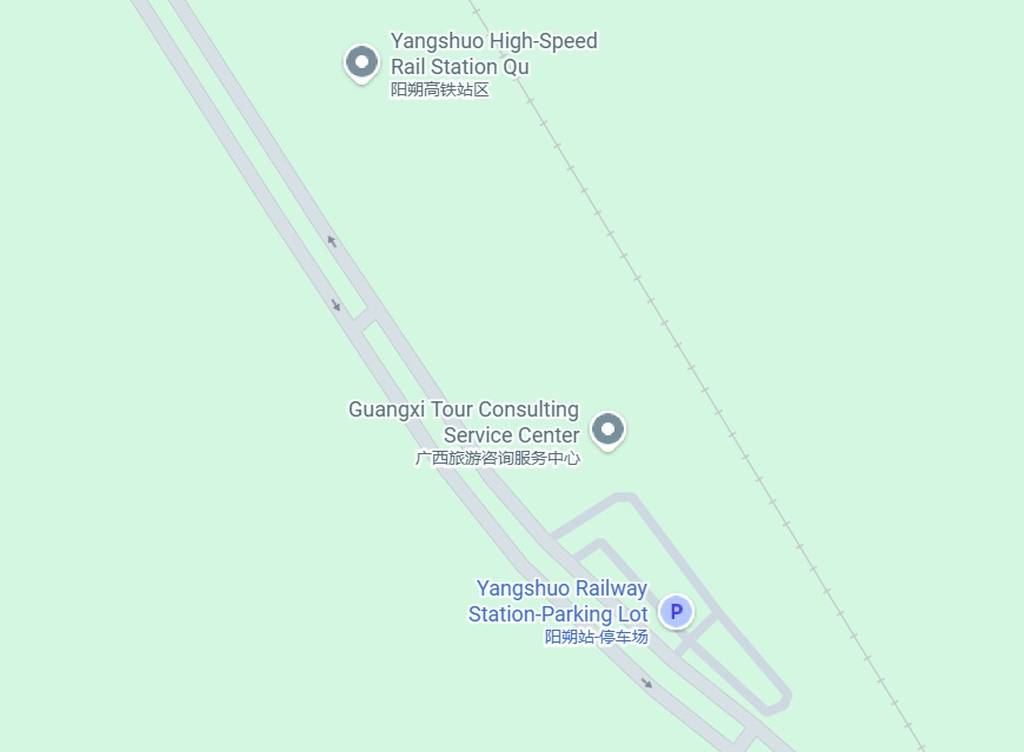
is a smooth trip by high-speed rail, taking roughly 4 to 5 hours in total. While Xingping doesn’t have its own “Xingping Station,” it is served by Yangshuo Railway Station, which is actually located right in Xingping—making it the perfect arrival point.
🚆 Step 1: High-Speed Train from Hong Kong
There are no direct trains from Hong Kong to Yangshuo Station. You have two main transfer options:
Option A: Via Guangzhou South (Best Frequency)
This is the most flexible route with the most daily connections.
-
Leg 1: Hong Kong West Kowloon → Guangzhou South (Approx. 45–60 mins).
-
Leg 2: Guangzhou South → Yangshuo Station (Approx. 2–2.5 hours).
-
Total Cost: ~¥340–¥380 ($47–$53 USD) for Second Class.
Option B: Via Shenzhen North (Often Faster)
Since Shenzhen is closer to Hong Kong, this can sometimes be the quickest route if your connection times align.
-
Leg 1: Hong Kong West Kowloon → Shenzhen North (15–20 mins).
-
Leg 2: Shenzhen North → Yangshuo Station (Approx. 2.5–3 hours).
-
Total Cost: ~¥310–¥340 ($43–$47 USD) for Second Class.
🚌 Step 2: Getting to Xingping Town
Once you arrive at Yangshuo Railway Station, you are only about 8km from the center of Xingping.
-
Shuttle Bus: The easiest and cheapest way. Exit the station and look for the ticket office on the left. The “High-Speed Line 2” bus to Xingping Bus Station costs ¥5 and takes about 10–15 minutes.
-
Taxi/Didi: If you have heavy luggage, a taxi or Didi will take about 10 minutes and cost roughly ¥30–¥50.
💡 Important Travel Tips for 2026
-
Booking: Use the 12306 official app or Trip.com. Tickets open 15 days in advance. In 2026, many routes use e-tickets, so your passport is your ticket; just scan it at the gates.
-
Immigration: You will clear both Hong Kong and Mainland China customs at Hong Kong West Kowloon Station. Arrive at least 90 minutes before your departure to ensure you have enough time.
-
Station Confusion: Make sure you book tickets to Yangshuo Station (阳朔站), NOT Guilin Station. While Guilin is the major city, Yangshuo Station is the one physically located in Xingping.
Xingping (兴坪古镇) — Karst + River Scenery & Quiet Village
Why it’s great for your goals:
- Iconic Li River scenery with mountains and water that reflect the famous scene on the RMB ¥20 note. (China Discovery)
- Smaller and quieter than Yangshuo’s main town, so better for relaxed exploration and photography. (Wanderlog)
- Ancient streets, traditional buildings, old banyans, and a small, authentic feel. (Visit Our China)
- Bamboo rafting on the Li River and sunrise viewpoints (e.g., Laozhai Mountain) are scenic highlights if you enjoy nature-focused sights. (Yangshuo Mountain Retreat)
- Good for 1-2 nights.
Xingping 15 may til 18 May
This Old Place Li-River Inn is a fantastic choice—it’s one of the most iconic spots in Xingping, known for its rooftop views and its proximity to the best hiking trails.
Since you have 3 nights, you have the luxury of beating the crowds (who usually only visit for a few hours). Here are my top suggestions for your stay:
1. The “Must-See” Classics
-
The 20 RMB Note View (Yellow Cloth Reflection): * This is a short walk from your Inn. Don’t just go to the crowded viewing platform; walk along the riverbank path toward the 20 Yuan Observation Deck.
-
Tip: Go at sunrise. The water is calm, the mist is rising, and the tourist buses from Yangshuo won’t arrive until 10:00 AM.
-
-
Laozhai Mountain (The Sunset Hike):
-
The trailhead is literally right behind your accommodation. It’s a steep, 30–45 minute scramble up stone steps and a few ladders.
-
Why: It offers the single best panoramic view of the Li River’s “Big Bend.” It is spectacular at sunset, but bring a headlamp for the way down!
-
-
Li River Rafting (Xingping to Nine Horse Fresco Hill):
-
Take a 4-person motorized raft from the Xingping pier. The stretch between Xingping and Nine Horse Fresco Hill is considered the “crown jewel” of the river.
-
2. Authentic Experiences
-
The Cormorant Fisherman: * You’ll see the famous elderly fishermen with their birds and lanterns. Note: Most are now “models” for photographers. You can usually arrange a private photo session through the front desk at This Old Place for around 200–300 RMB. It makes for an incredible 5-year memory (and a great Instagram post).
-
Xianggong Hill (Sunrise Spot):
-
This is on the opposite side of the river. You’ll need to take a small ferry across the river and then a local van (about 30-40 mins).
-
Why: While Laozhai is best for sunset, Xianggong Hill is the undisputed king of sunrises. The hotel can help you book a driver for a 4:30 AM departure.
-
3. A Sample 3-Night Itinerary
-
Day 1: Arrival & Exploration
-
Check-in and grab a coffee or pizza at the Inn (they are famous for their wood-fired pizza).
-
Wander through Xingping Ancient Town. It’s over 1,700 years old. Look for the ancient opera stage and the quiet back alleys.
-
-
Day 2: Peaks and Rivers
-
Morning: Early morning raft trip on the Li River.
-
Afternoon: Rent an e-bike (scooter) and ride along the river toward Dahebei Village.
-
Late Afternoon: Hike up Laozhai Mountain for sunset.
-
-
Day 3: The Photographer’s Dream
-
Early Morning: Trip to Xianggong Hill for the sunrise.
-
Afternoon: Visit the nearby Fishing Village (accessible by boat), which was famously visited by Bill Clinton in the 90s.
-
Evening: Enjoy a “Beer Fish” (local specialty) dinner by the river.
-
Pro-Tips for Xingping
-
The “Old Place” Vibe: Your Inn is legendary for its social atmosphere. It’s a great place to meet other travelers and find people to split the cost of a van to Xianggong Hill.
-
Safety: The Laozhai Mountain path is unofficial and can be slippery. Wear shoes with good grip—no flip-flops!
-
Cash/Apps: While WeChat/Alipay are king, keep some cash for the small ferry crossings to the other side of the river.
Tips what to do and See
In May, Xingping is lush and green, but it’s a transitional period between the busy “May Day” holiday and the rainy season. To avoid the tourist traps, you’ll want to shift your focus away from the main river docks and toward the surrounding agricultural valleys.
Here is what is happening locally and how to stay off the beaten path from May 15 to 22, 2026.
1. The Local Market (The “Ganji” Days)
This is the most authentic “event” you can attend. Xingping and the neighboring town of Fuli hold traditional markets on specific days of the lunar calendar. These are not for tourists; they are for farmers buying livestock, seeds, and household goods.
-
When: Markets typically follow a 3-day cycle (e.g., days ending in 2, 5, 8). For your dates:
-
Xingping Market: Check with your guesthouse for the specific lunar alignment, but look for May 15, 18, and 21.
-
Fuli Market: Usually falls on the days between (e.g., May 17 or 20).
-
-
What to expect: Stalls selling everything from handmade bamboo farm tools to local medicinal herbs and “oil tea” (you cha).
2. Spring Tea Picking (Qixian Peak)
May is the tail end of the spring tea harvest. While the famous Longji Rice Terraces are far away, the Qixian Peak area near Yangshuo/Xingping is much quieter.
-
The Activity: You can visit local tea plantations to see (and sometimes join) the picking and traditional stir-frying of tea leaves.
-
Why it’s non-touristy: Unlike the Li River cruises, this requires a scooter or private driver to reach, keeping the large tour groups away.
3. Exploring the “Back Mountain” (Houshan)
Most people climb Laozhai Hill for the sunset. It’s beautiful but crowded. For a similar view with zero crowds:
-
The Spot: Hike Houshan (Back Mountain). It is located just behind the town but isn’t clearly marked on tourist maps.
The Experience: The trail is a natural stone path. It leads to a platform where you can see the town and the famous “20 RMB note” landscape without the elbow-shoving.
4. Crossing to the “Quiet Side” (Dahebei Village)
Xingping is split by the river. The “town side” is where the shops are; the “other side” (Dahebei) is where the real life is.
-
How: Take the local 5 RMB ferry (not a cruise boat) across the river.
-
What to do: Rent a bike or walk toward Tengjiao Nunnery, which is tucked into a karst cave. It is rarely visited by tour groups and remains a functioning place of worship.
Non-Touristy Logistics for May
- Rent an e-scooter. It gives you the freedom to turn into random dirt paths between rice paddies where cars can’t go.
- Skip the “Beer Fish” restaurants on the main street. Look for Guilin Rice Noodles (mifen) in the morning where you see locals sitting on low plastic stools.
TIPS
In der Region Guangxi findest du die ikonischsten Karstlandschaften Chinas. Während Yangshuo selbst sehr touristisch geworden ist, gibt es in der direkten Umgebung noch Orte, an denen man das “echte” China und die Stille der Berge erleben kann.
Wo ist es am schönsten?
Die spektakulärste Dichte an Karstkegeln findest du entlang des Li-Flusses (besonders zwischen Yangdi und Xingping) und am Yulong-Fluss.
-
Für den besten Ausblick: Steige auf den Xianggong Hill (ca. 40 Min. von Yangshuo). Von dort hast du den berühmten Blick auf die 180-Grad-Biegung des Li-Flusses.
-
Alternative zum Moon Hill: Der Damian Hill bei Xingping bietet eine ähnliche, aber weit weniger überlaufene Aussicht als die klassischen Spots.
“Non-Tourist” Dörfer rund um Yangshuo
Um den Massen zu entfliehen, solltest du die Hauptstraßen verlassen und mit dem Fahrrad oder E-Scooter in die Seitentäler fahren. Hier sind einige authentische Empfehlungen:
-
Langzi (Langzi Ancient Village):
-
Charakter: Etwa 20 km von Yangshuo entfernt. Es ist ein sehr gut erhaltenes Dorf aus der Ming-Dynastie (über 600 Jahre alt).
-
Warum hin? Hier gibt es kaum Souvenirstände. Du findest prachtvolle alte Siheyuan-Höfe und Holzschnitzereien. Es ist ideal für Fotografie und um das traditionelle Landleben zu beobachten, ohne von Tourgruppen geschoben zu werden.
-
-
Jiuxian (Altes Dorf am Yulong-Fluss):
-
Charakter: Obwohl es bekannter wird, bewahrt es seinen Charme durch strenge Denkmalschutzauflagen. Es liegt etwa 8-10 km von Yangshuo entfernt.
-
Warum hin? Viele der alten Lehmziegelhäuser sind noch bewohnt. Es gibt ein paar sehr geschmackvoll restaurierte Gästehäuser (wie das Yangshuo Village Inn), in denen man ruhig Tee trinken kann.
-
-
Mushanhai & Fuli (Die ruhigen Seiten):
-
Fuli ist bekannt für seine handbemalten Fächer. Während der Marktbereich belebt ist, sind die alten Gassen zum Fluss hin oft menschenleer.
-
Mushanhai ist ein kleines Fischerdorf in der Nähe, das oft komplett ignoriert wird, während alle nach Xingping stürmen.
-
-
Langshi (Am Li-Fluss):
-
Charakter: Dieses Dorf ist nur per Boot oder über eine lange Wanderung/Fahrt erreichbar und liegt direkt am schönsten Abschnitt des Li-Flusses.
-
Warum hin? Da keine großen Kreuzfahrtschiffe hier halten, ist es extrem ruhig. Es ist der perfekte Ort, um einfach am Ufer zu sitzen und den Büffeln beim Baden zuzusehen.
-
Tipps für ein authentisches Erlebnis:
-
Miete einen E-Scooter: Damit kommst du tiefer in die Täler hinter dem “Ten Mile Gallery” Gebiet, wo die meisten Touristenbusse bleiben.
-
Wandern statt Floßfahren: Statt der motorisierten Flöße auf dem Li-Fluss, wandere von Yangdi nach Xingping. Du kommst durch winzige Weiler, die keinen Straßenanschluss haben.
-
Frühmorgens: Selbst in touristischen Orten wie Xingping ist es vor 9:00 Uhr morgens (bevor die Busse aus Guilin kommen) magisch still.
Anreise: Von Yangshuo aus erreichst du diese Dörfer am besten per Leihfahrrad (für Jiuxian) oder mit einem gemieteten E-Roller (für Langzi und Fuli). Für Langshi empfiehlt sich eine Kombination aus lokalem Bus und einer kurzen Überfahrt mit einer kleinen Fähre.