| Itinery | Tips | visa> | Route | map xingpin… |
| Hong kong > | Xingping | Yangshuo | Einrenken TCM | Foshan |
Hong Kong Budget Travel Guide
Hong Kong is famously expensive, but it’s actually one of the best cities in the world for budget travelers because its high-quality public infrastructure—like the MTR, parks, and hiking trails—is either very cheap or entirely free.
Here is how to spend a week in Hong Kong without breaking the bank.
📅 1-Week Budget Strategy
Instead of expensive theme parks (Disneyland/Ocean Park), focus on the “Islands, Peaks, and Markets” that make the city unique.
🍜 Eating on a Budget
You can eat incredibly well for under $100 HKD (approx. $13 USD) per day if you know where to look:
-
Michelin for Cheap: Visit the Sham Shui Po branch of Tim Ho Wan. It’s the world’s cheapest Michelin-starred meal ($30–$50 HKD).
-
Cha Chaan Tengs: Local diners like Australia Dairy Co. or Lan Fong Yuen offer set breakfasts (toast, eggs, macaroni, and tea) for about $40–$50 HKD.
-
Supermarket Sushi: After 8:00 PM, supermarkets like Don Don Donki or City’super often mark down their fresh sushi and bento boxes by 50% or more.
-
Street Snacks: Look for curry fish balls, egg tarts, and pineapple buns in Mong Kok—most are under $15 HKD.
🚇 Smart Transportation
-
The Octopus Card: This is non-negotiable. Buy one at the airport. It works on all transport and at convenience stores.
-
The “Ding Ding”: The historic double-decker trams on HK Island cost only $3.00 HKD regardless of distance. It’s the best “sightseeing tour” for under $0.50 USD.
-
Star Ferry: At roughly $5.00 HKD, crossing Victoria Harbour on the ferry is the cheapest world-class view on the planet.
-
Avoid the Airport Express: Take the A21 or A11 bus from the airport instead of the train. It costs about $40 HKD (vs $110+ for the train) and gives you a great view of the Tsing Ma Bridge.
🏨 Where to Stay
Accommodation will be your biggest expense. For the best value:
-
Sham Shui Po: A more local, gritty area with the absolute lowest hostel and guesthouse prices.
-
Mong Kok / Yau Ma Tei: Very central and packed with “mansions” (large buildings filled with tiny individual guesthouses). Chungking Mansions in Tsim Sha Tsui is the most famous/notorious budget hub, but nearby Mirador Mansion is often slightly cleaner/quieter.
-
Wednesday Museum Trick: Most major museums (Art, History, Science) are free on Wednesdays.
Lamma Island
Since Lamma Island is a bit more scenic and offers a great mix of “jungle hiking” and “fishing village” vibes, it is the perfect choice for a budget day trip. You get a boat ride, a hike, and a beach day all for the price of a ferry ticket.
Here is your budget-friendly itinerary for Lamma Island.
🏝️ The Lamma Island “Cross-Island” Hike
The goal is to sail into one village and sail out of the other so you don’t have to double back.
1. The Journey (Morning)
-
The Ferry: Go to Central Pier 4. Take the ferry to Yung Shue Wan.
-
Cost: ~$20–$30 HKD (depending on if it’s a weekday or weekend).
-
Budget Tip: Sit on the top deck outside for incredible views of the Hong Kong skyline and the massive cargo ships in the shipping lanes.
2. Yung Shue Wan Village (10:30 AM – 12:00 PM)
This is a bohemian village with no cars.
-
Explore: Walk through the narrow main street. It’s full of handicraft shops and small cafes.
-
Budget Snack: Stop at Kin Hing Tofu Dessert. It’s a small shack on the main path. A bowl of “Tau Fu Fa” (silky tofu in ginger syrup) is usually under $20 HKD and is a local legend.
3. Hung Shing Yeh Beach (12:00 PM – 1:30 PM)
-
The Beach: A 20-minute walk from the village leads you here. It has clean sand, changing rooms, and free showers.
-
Budget Tip: Pack a sandwich or snacks from a supermarket in Central before you leave. Beachfront cafes here are pricey, but the sand is free!
4. The Family Trail Hike (1:30 PM – 3:00 PM)
-
The Path: Follow the signs for Sok Kwu Wan. It’s a paved, easy-to-follow trail.
-
The Views: You’ll climb a small hill that gives you a panoramic view of the South China Sea and the Lamma Power Station (which looks surprisingly cool).
-
Cost: Free.
5. Sok Kwu Wan Fishing Village (3:00 PM – 4:30 PM)
The trail ends at this smaller, traditional fishing village known for “Stilt Houses.”
-
Sightseeing: Visit the Tin Hau Temple (Free), dedicated to the Goddess of the Sea.
-
Cheap Eats: While the big seafood restaurants here are expensive, look for the smaller stalls selling frozen pineapple slices or fish balls for a few dollars.
6. The Return Trip (Late Afternoon)
-
The Ferry: Take the ferry from Sok Kwu Wan back to Central Pier 4.
-
Pro Tip: Try to time your return ferry for sunset. Watching the HK Island skyline light up as you approach the pier is better than any paid harbor cruise.
💰 Total Estimated Cost
-
Ferries: ~$50 HKD (Round trip)
-
Tofu Dessert: $15 HKD
-
Street Snacks: $30 HKD
-
Total: ~$95 HKD (Approx. $12 USD) for a full day of adventure.
Would you like me to suggest a “Cheap Eats” list for the Sham Shui Po district for your dinner when you get back?
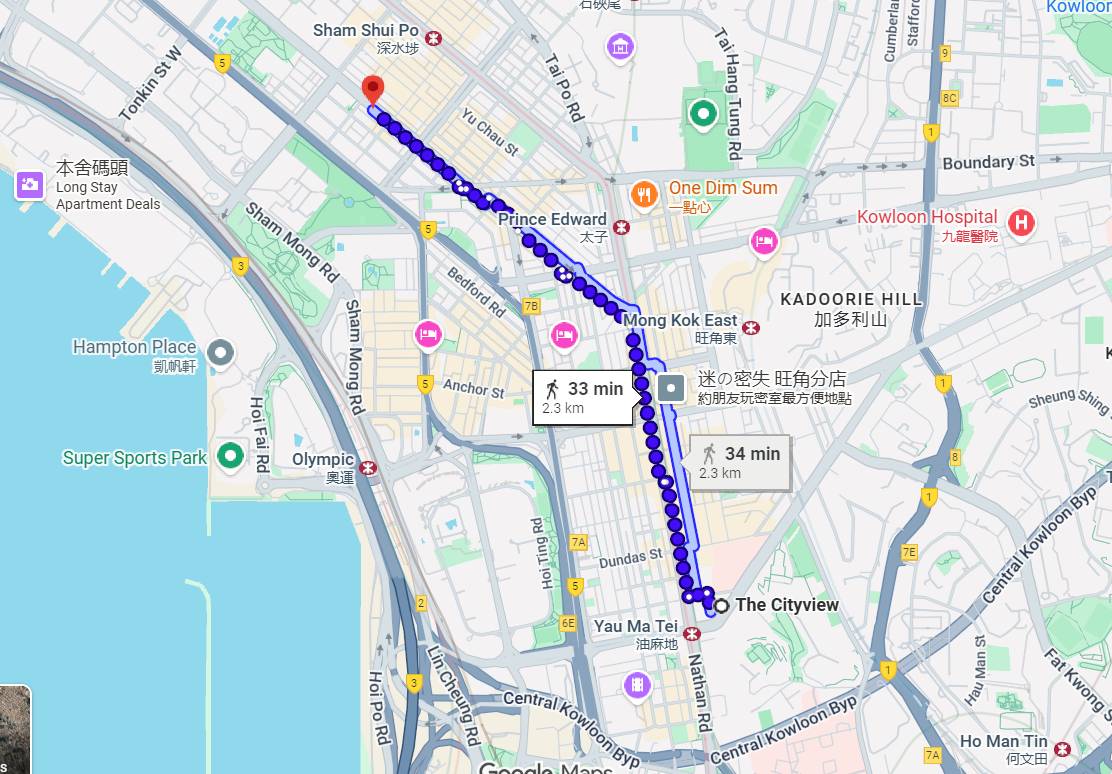
Sham Shui Po is the undisputed “Budget Food Capital” of Hong Kong. After your day on Lamma Island, taking the MTR to Sham Shui Po (Tsuen Wan Line) is the perfect way to end the day with a legendary, low-cost feast.
Here are the absolute best spots for your “Cheap Eats” crawl.
🏮 The Sham Shui Po Budget Food Crawl
| Restaurant | What to Order | Estimated Cost (HKD) |
| Hop Yik Tai | Cheong Fun (Rice Rolls) with “the three sauces.” Smooth, silky, and a neighborhood legend. | $10 – $15 |
| Kung Wo Beancurd | Tofu Pudding or Pan-fried Tofu with fish paste. This shop is a 60-year-old local icon. | $12 – $20 |
| Lau Sum Kee | Wonton Noodles or Shrimp Roe Noodles. They still use a traditional bamboo pole to knead the dough. | $40 – $50 |
| Sun Hang Yuen | Corned Beef & Egg Sandwich. It sounds simple, but it’s arguably the best in the city. | $25 – $30 |
| Man Kee Cart Noodle | Custom Cart Noodles. You pick the noodle type and toppings (try the Swiss chicken wings). | $40 – $60 |
| Oi Man Sang | Black Pepper Beef & Potatoes. This is a Dai Pai Dong (open-air stall) and is better for a group “sit down” dinner. | $100 – $140 (shared) |
💡 Pro-Tips for Sham Shui Po
-
The “Michelin” Street: Walk down Fuk Wing Street. It is packed with high-quality, low-cost eateries, including the famous Sham Shui Po branch of Tim Ho Wan.
-
Street Snack “Three Treasures”: Look for stalls selling “Stuffed Three Treasures” (bell peppers, eggplant, and tofu stuffed with fish paste and fried). You can usually get 3-5 pieces for about $15 HKD.
-
Golden Computer Centre: If you need cheap tech, chargers, or gadgets, this massive underground mall is right next to the MTR exit. It’s a fun, chaotic sensory overload.
-
Cash is King: While many places take Octopus cards, some of the smallest stalls in Sham Shui Po are cash only. Keep some $20 and $50 notes handy.
🌙 Late Night Bonus: Temple Street
If you still have energy after Sham Shui Po, take the MTR three stops down to Jordan to see the Temple Street Night Market.
-
Do: Walk through for the neon lights and atmosphere.
-
Don’t: Eat the “Spicy Crab” there if you are on a budget—it’s a notorious tourist trap and very expensive! Stick to the smaller claypot rice stalls nearby for a cheaper meal (~$60 HKD).
Would you like me to find a few “Free or Cheap” evening activities to do after you’ve finished your food crawl?
Exploring the “perimeter” of Hong Kong—the New Territories and outlying islands—is actually the best way to find free, high-energy adventures. While the city center is dense, about 40% of Hong Kong is protected parkland.
Here are the best free and adventurous spots for kids in the outskirts:
1. Pirate Caves and Coastal Biking: Cheung Chau
This car-free island is a massive playground for kids. It feels like a time-warp village with hidden spots to explore.
The Adventure: Hike or bike to Cheung Po Tsai Cave. It’s a real (very narrow) cave where a famous pirate once hid his treasure. Bring a flashlight and prepare to squeeze through the rocks.
The Beach: After the cave, head to Tung Wan Beach for a swim or to explore the ancient rock carvings nearby.
Cost: Free (excluding the ferry ride from Central).
2. Geological Wonders: Sharp Island (Kiu Tsui)
Located just off the coast of Sai Kung, this island is part of the UNESCO Global Geopark.
The Adventure: Check the tide tables! At low tide, a natural sandbar (tombolo) emerges, connecting the main island to a small islet. Kids can walk across the ocean floor.
The “Pineapple Buns”: The island is famous for its “pineapple bun” rocks—huge boulders that look exactly like the local pastry due to unique weathering.
Cost: Free (excluding a small fee for a “kaito” boat from Sai Kung Pier).
3. Monkey Spotting: Pineapple Dam (Shing Mun Reservoir)
This is a high-reward, low-effort nature walk in the New Territories that kids love because of the “wildlife.”
The Adventure: Walk the Pineapple Dam Nature Trail. You are almost guaranteed to see Rhesus Macaques (monkeys) along the path.
Note: Keep all snacks inside your bags and don’t feed them—they are bold! You’ll also find Paperbark tree forests that look like something out of a fairy tale.
Cost: Free.
4. Giant Slides and Water Play: Cha Kwo Ling Promenade
If you want a modern “urban adventure” on the edge of the harbor in Kowloon, this is the newest hotspot.
The Adventure: This 18,000-square-meter park is divided into themes like “Air” and “Water.” It features 60+ play facilities, including a popular Water Garden where kids can dodge sprays, and giant climbing frames.
The View: It offers a panoramic view of the Kai Tak Cruise Terminal while you play.
Cost: Free.
5. Ancient Walled Villages: Ping Shan Heritage Trail
For a “cultural adventure,” head to Yuen Long to see a side of Hong Kong that existed long before the skyscrapers.
The Adventure: Follow the trail to see 600-year-old pagodas, ancestral halls, and the Kat Hing Wai Walled Village. Walking through the thick stone walls feels like entering a fortress.
Cost: Free.
Getting to these “perimeter” spots is half the adventure! Here are the specific logistics for your family trips.
1. Cheung Chau Pirate Adventure
How to Get There: Go to Central Pier No. 5.
Ferry Schedule: Ferries run every 30–45 minutes.
Fast Ferry: Takes ~35 minutes.
Ordinary Ferry: Takes ~55 minutes (has an open-air deck, which is great for kids to see the big container ships).
Key Times: * Departing Central: Frequent from 7:00 AM onwards (e.g., 8:00, 8:40, 9:00, 9:45).
Last Ferry Back: Usually around 11:30 PM or later, so no rush!
Cost: ~$15–$30 HKD (Half price for kids 3–12).
2. Sharp Island (Kiu Tsui)
How to Get There: Take the MTR to Choi Hung (Exit C2), then take Minibus 1A to Sai Kung Town. Walk to the Sai Kung Public Pier.
Boat Info: There is no “official” ferry; instead, look for the colorful kiosks at the pier with “Sharp Island” or “Kiu Tsui” signs.
Schedule: These “Kaitos” (small boats) run roughly every 15–30 minutes from 10:00 AM to 5:30 PM.
Pro Tip: Take a photo of the boat operator’s phone number on the pier so you can call them if you feel stranded, though they usually loop back regularly.
3. Pineapple Dam (Shing Mun Reservoir)
How to Get There: Take the MTR to Tsuen Wan Station (Exit B1). Walk about 5 minutes to Shiu Wo Street.
Minibus: Hop on Green Minibus No. 82.
Schedule: It runs every 8–15 minutes from 6:15 AM to 9:00 PM. The ride is a winding 20-minute journey uphill that kids find quite exciting.
Cost: ~$6.4 HKD.
4. Ping Shan Heritage Trail
How to Get There: Take the MTR (Tuen Ma Line) to Tin Shui Wai Station (Exit E).
The Route: The trail starts right outside the station at the Tsui Sing Lau Pagoda (the only ancient pagoda in HK).
Navigation: It is a self-guided walk with clear signs. It ends near the Ping Shan Tang Hung Lok Yuen Heritage Centre.
Family Checklist for the Perimeter:
Octopus Cards: Ensure everyone (including kids) has their Octopus card topped up; it works for all ferries, buses, and even snacks at island tuck shops.
The “Tide” Factor: If you go to Sharp Island, search “Hong Kong Observatory Tide Prediction” for Ko Lau Wan. You want to arrive when the tide is below 1.4 meters to walk across the sandbar.
transport
Here is your updated and finalized Octopus card strategy:
1. The Seniors (Age 60 and 66) — 2 People
Card Type: Elder On-Loan Octopus (Green card).
Cost: $70 HKD ($50 refundable deposit + $20 credit).
The Benefit: Both will now qualify for the Half-Price fare on the MTR, buses, and ferries.
Note: While the $2 flat fare is for residents only, the “Elder” card still provides roughly 50% savings compared to the Adult fare, which adds up quickly on longer trips to the New Territories or the islands.
2. The Adults (Age 35 and 36) — 2 People
Card Type: Adult On-Loan Octopus (Rainbow/Gold card).
Cost: $150 HKD ($50 refundable deposit + $100 credit).
3. The Kids (Age 3 and 9) — 2 People
Card Type: Child On-Loan Octopus (Pink card).
Cost: $70 HKD ($50 refundable deposit + $20 credit).
The Benefit: Half-price fares. Since the 3-year-old is now “fare-paying age,” having their own card avoids the hassle of buying individual tickets at machines every time.
Final Group Shopping List:
When you arrive at the MTR Customer Service Centre (at the Airport or any MTR station), ask for this specific set:
Quantity,Card Type,Total Cash Needed (Initial)
2,Adult Octopus,$300 HKD
2,Elder Octopus,$140 HKD
2,Child Octopus,$140 HKD
Total,,$580 HKD (Approx. $75 USD)
APPs
While Google Maps works well for general navigation, there are a few local apps that provide much better “Real-Time” data for Hong Kong’s specific transport quirks (like minibuses).
Here are the top three apps you should download:
1. Citymapper (The Best All-Rounder)
This is widely considered the best app for tourists and locals alike in Hong Kong.
-
Why: It is much more accurate than Google Maps for “estimated time of arrival” (ETA) for buses.
-
The Killer Feature: It tells you exactly which car/carriage to board on the MTR so you are right next to the exit when you arrive at your station. It also handles the tricky “Green Minibuses” very well.
2. MTR Mobile (The Official Subway App)
Since you’ll be using the MTR most of the time, this is a must-have.
-
Why: It has a “Journey Planner” that shows the exact fare for every trip (including your budget-friendly discounts).
-
The Killer Feature: It provides real-time notifications if there is a delay or an accident on a specific line, so you don’t get stuck underground.
3. HKeMobility (The Government “Do-It-All” App)
This is the official app from the HK Transport Department.
-
Why: It has the most comprehensive data on every single transport mode, including ferries, trams, and even walking paths.
-
The Killer Feature: It is the only app that reliably covers the Red Minibuses (which don’t have fixed schedules) and provides real-time traffic snapshots from roadside cameras.
Klook or GOGOX
💡 Pro-Tip: The “Octopus for Tourists” App
Before you arrive, download the Octopus for Tourists app.
-
Since you have a Nomad SIM, you can set up a Mobile Octopus on your iPhone or Samsung.
-
This allows you to tap your phone at the MTR gates instead of buying a physical card. You can also top it up using your credit card inside the app, so you never have to find a top-up machine!
Transport HK
For a group of 6, the math changes significantly. In many cases, public transport is actually not the cheapest option for a group of your size, especially when compared to a single large taxi or private hire.
Here is the budget breakdown for your group of 6 (4 adults, 1 child aged 9, and 1 toddler aged 3).
1. Cost Comparison: Public Transport vs. Taxi
-
Public Transport (MTR/Bus): You have to pay for 5.5 people (4 adults + 1 child at half-price + 1 toddler for free).
-
Example: An MTR trip from Tsim Sha Tsui to Central costs ~$10 HKD per adult. For your group, that’s $55 HKD one way.
-
-
Taxi (6-Seater): A single 6-seater taxi for the same trip would cost approximately $40–$50 HKD.
-
Verdict: For short-to-medium trips, one 6-seater taxi is cheaper and much more comfortable than public transport for a group of 6.
-
2. Your Transportation Options
Option A: 6-Seater Taxis (The “Secret” Budget Move)
Most standard red taxis in Hong Kong only seat 4 or 5 people. However, there is a fleet of 6-seater “Luxury” Taxis (often the SynCab or Toyota Alphard models).
-
How to get one: You can’t usually “hail” these on the street easily. Use the HKTaxi app or Uber (choose the UberXL option).
-
Pros: Fits all 6 of you in one car; door-to-door service; often cheaper than 6 individual MTR fares.
-
Cons: Harder to find during peak hours (8 AM – 10 AM / 5 PM – 7 PM).
Option B: Public Transport (Cheapest for Long Distances)
If you are traveling very long distances (e.g., from the City to the Big Buddha or deep into the New Territories), public transport becomes cheaper again.
-
The “Ding Ding” Tram: Only $3.00 HKD per adult. For your group, the total cost to travel across HK Island is only ~$16 HKD. This is the cheapest transport in the city.
-
Star Ferry: Also extremely cheap (~$5 HKD). It’s cheaper than any taxi to cross the harbor.
-
Buses: If you take the “A” buses (like A21) from the airport, it costs ~$35 HKD per person. A 6-seater private van from the airport would be ~$450–$600 HKD. In this specific case, the bus is cheaper.
Option C: Private Hire / Van (Best for Airport/Disneyland)
For your group, booking a 7-seater (which fits 6 passengers + luggage) through apps like Klook or GOGOX is highly recommended for the airport.
-
Cost: ~$500 HKD for a private van vs. ~$300 HKD for two separate small taxis.
-
Pros: No stress about splitting the family into two cars; fits all your luggage and the 3-year-old’s stroller easily.
💡 The “Golden Rules” for your group:
-
Don’t take two taxis: If you can’t find a 6-seater, two 4-seater taxis will almost always be more expensive than the MTR.
-
Use the “Tourist Octopus” for the 66 & 60-year-olds: If they have a “Senior” Octopus (Elderly), their fares are often capped at $2 HKD per trip on many routes! This makes public transport incredibly cheap for them.
-
The 3-Year-Old is Free: Most buses and the MTR are free for children under 3. However, the 9-year-old will need a “Child” Octopus (roughly half the adult price).
-
Download Uber: In Hong Kong, Uber allows you to call “Taxi” or “UberXL.” For a group of 6, UberXL is your best friend.
Summary: For moving around the city (e.g., going from your hotel to a restaurant), call an UberXL. For iconic sightseeing (The Peak, Crossing the Harbour), use the Tram and Ferry.
Visit The Big Budda
To get from to the (The Big Buddha), you will travel from the heart of Kowloon to Lantau Island. The most scenic and popular route involves taking the MTR followed by a cable car ride.
Most Popular Route: MTR & Cable Car
This is the recommended way for visitors to enjoy panoramic views of Lantau North Country Park and the South China Sea.
-
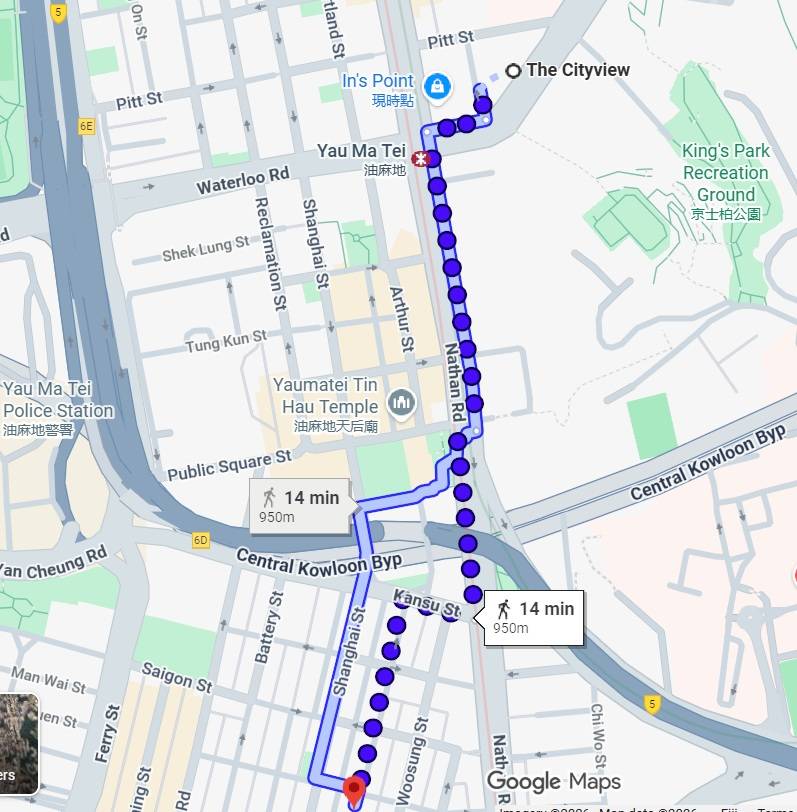
MTR Segment: From your hotel, walk about a minute to Yau Ma Tei MTR Station. Take the Tsuen Wan Line (Red) towards Central and change at Lai King Station for the Tung Chung Line (Orange) to the final stop, Tung Chung Station.
-
Cable Car: Take Exit B from Tung Chung Station and walk a few minutes to the Ngong Ping 360 Cable Car terminal. The 25-minute ride will take you directly to Ngong Ping Village, which is a short walk from the Buddha.
-
Timing: The total journey typically takes around 1 hour and 15 minutes to 1 hour and 30 minutes.
Budget-Friendly Route: MTR & Bus
If you prefer a more economical option or if the cable car is not operating, you can take a local bus from Tung Chung.
-
MTR Segment: Follow the same MTR instructions above to reach Tung Chung Station.
-
Bus Segment: Head to the Tung Chung Tat Tung Road Bus Terminus and board the New Lantao Bus No. 23. This bus ride takes about 45 to 50 minutes through the winding hills of Lantau.
-
Tip: Sit on the right side of the bus for the best views of the Buddha as you approach the mountain.
Scenic Ferry Option
For a different perspective of Hong Kong’s waters, you can travel via ferry.
-
Ferry Segment: Take the MTR or a taxi to Central Pier No. 6 and board the ferry to Mui Wo (Silvermine Bay).
-
Bus Segment: Upon arrival at Mui Wo, take the New Lantao Bus No. 2 directly to Ngong Ping.
-
Rationale: While this route takes longer, it offers a relaxing boat ride and a view of the “back side” of Lantau Island.
Would you like more information on booking tickets for the Ngong Ping 360 cable car or recommendations for things to see near the Buddha?
For your group of 2 adults, 2 seniors, and 2 children (ages 3 and 9), the costs for the two main routes are broken down below.
Important Age Notes:
-
3-Year-Old: In Hong Kong, children aged 3 and above generally require a child ticket for both the MTR and the Cable Car.
-
Seniors: To qualify for senior rates on the MTR (the famous $2.00 HKD fare), you usually need a “JoyYou” or “Senior Octopus” card. For tourists without these, you may pay the standard concessionary fare. Cable car senior rates are often reserved for Hong Kong residents, so tourists usually pay the adult rate unless a specific senior promotion is available.
Option 1: MTR & Cable Car (Round Trip)
Approximate total for the group: $1,360 – $1,500 HKD
| Passenger | MTR (Yau Ma Tei ↔ Tung Chung) | Cable Car (Standard Cabin Round Trip) | Total per Person |
| 2 Adults | ~$40.00 | $295.00 | $335.00 |
| 2 Seniors | ~$20.00 (Concession) | $295.00* | $315.00 |
| 2 Kids (3 & 9) | ~$20.00 | $150.00 | $170.00 |
> Note: Cable car senior rates ($155) are strictly for HK residents with ID. Tourists should budget for the adult price to be safe.
Option 2: MTR & Bus No. 23 (Round Trip)
Approximate total for the group: $440 – $550 HKD
| Passenger | MTR (Yau Ma Tei ↔ Tung Chung) | Bus 23 (Round Trip) | Total per Person |
| 2 Adults | ~$40.00 | $40.80 (Weekday) | $80.80 |
| 2 Seniors | ~$20.00 | $20.40 (Weekday) | $40.40 |
| 2 Kids (3 & 9) | ~$20.00 | $20.40 (Weekday) | $40.40 |
> Note: Bus fares increase on Sundays and Public Holidays (Adults $37.00 one-way).
Summary Table (Total Group Cost)
| Route Option | Weekday Total | Sunday/Holiday Total |
| Cable Car Route | ~$1,440 HKD | ~$1,500 HKD |
| Bus Route | ~$444 HKD | ~$620 HKD |
Pro-Tips for Your Trip:
-
Octopus Cards: Buy these at the airport or any MTR station. They work for the MTR, Bus 23, and even snacks at Ngong Ping Village. It’s much faster than buying single tickets.
-
Cable Car Maintenance: Check the Ngong Ping 360 website before you go. They occasionally close for maintenance for a few days at a time.
-
Booking: If you choose the Cable Car, book online in advance to skip the long ticket queue.
Would you like me to look up the exact opening hours for the Big Buddha during your stay in May?
tourist traps
While Hong Kong is a world-class destination, several popular spots have earned a reputation for being overpriced, overcrowded, or underwhelming.
Here are the primary tourist traps to be aware of and better alternatives for your trip:
1. The Peak Tram & Sky Terrace 428
While Victoria Peak itself is a must-visit for the view, the traditional way of getting there is often considered a “trap.”
-
Why avoid: The Peak Tram frequently has wait times exceeding 1–2 hours. The Sky Terrace 428 (the viewing platform on top of the Peak Tower) requires a separate, expensive ticket for a view you can get for free nearby.
-
Better Alternative: Take Bus 15 from Central Ferry Pier or Exchange Square; it’s cheap, air-conditioned, and offers a winding, scenic drive up the mountain. Once at the top, skip the paid terrace and walk 15 minutes along Lugard Road. It offers the exact same panoramic skyline view for free and with significantly fewer crowds.
2. A Symphony of Lights
This nightly 8:00 PM light and sound show is often billed as a “spectacular” multimedia event.
-
Why avoid: Many visitors find it underwhelming, describing it as a few “weak lasers” and a tinny soundtrack that is hard to hear. The Tsim Sha Tsui (TST) waterfront becomes extremely congested with tour groups during this time.
-
Better Alternative: Simply enjoy the Hong Kong Skyline at night from the West Kowloon Art Park or the Wan Chai Promenade. The view itself is the “show,” and these spots are much more spacious.
3. Stanley Market
Located on the south side of Hong Kong Island, this market is a staple of group tour itineraries.
-
Why avoid: It has become heavily commercialized. Much of the merchandise consists of “tourist tchotchkes,” mass-produced souvenirs, and clothing that can be found elsewhere for 50–70% less.
-
Better Alternative: For a similar market vibe with better prices, head to the Ladies’ Market in Mong Kok or Li Yuen Street East/West in Central. If you want a seaside escape, visit Lamma Island or Tai O Fishing Village for a more authentic heritage feel.
4. Nathan Road Electronics Shops
The stretch of Nathan Road in Tsim Sha Tsui is famous for neon-lit shops selling cameras, watches, and phones.
-
Why avoid: These are notorious for “bait and switch” scams. Sellers may quote a low price, take your money, and then claim the item is “out of stock” or “region-locked” to pressure you into a more expensive, inferior model.
-
Better Alternative: Buy electronics only from reputable chains like Broadway, Fortress, or the official Apple Store. For computer gear, go to the Sham Shui Po Golden Computer Centre.
5. Temple Street Night Market
While atmospheric for photos, the actual shopping experience is often a letdown.
-
Why avoid: It is now dominated by identical stalls selling cheap plastic toys, “I Love HK” t-shirts, and counterfeit goods. The “fortune tellers” and street food (Dai Pai Dongs) here are also significantly marked up for tourists.
-
Better Alternative: Walk through for the photos, but eat at a Cha Chaan Teng (local cafe) a few blocks away in Jordan or Yau Ma Tei for better quality and local prices.
6. Ngong Ping Village
This is the “faux-historic” village built at the top of the cable car leading to the Big Buddha.
-
Why avoid: It is essentially a themed shopping mall designed to extract money from tourists as they exit the cable car. The restaurants and souvenir shops are overpriced and lack any real history.
-
Better Alternative: Walk straight through the village to the Po Lin Monastery and the Tian Tan Buddha. For a more authentic experience on Lantau Island, take a 15-minute bus ride from Ngong Ping to Tai O, a stilt-house fishing village.
⚠️ General “Traps” to Watch For:
-
Fake Monks: In areas like TST and Central, you may see people dressed as Buddhist monks asking for donations or offering “blessed” bracelets. Real monks do not beg on the street in Hong Kong; these are scammers.
-
Chungking Mansions Touts: While the building is a great spot for authentic Indian/Pakistani food, avoid the touts outside offering “cheap tailors” or “luxury watches.”
-
The “Menu” Trap: In some seafood areas like Sai Kung or Lei Yue Mun, always confirm the price per catty (a local unit of weight) before ordering, as “seasonal price” can lead to a shocking bill.
Off The Beaten Track
If you’re looking to escape the “mall and neon” image of Hong Kong, there are some incredible spots that feel worlds away from the city center.
Here are the best off-the-beaten-track locations to visit in 2026:
1. Tai O Fishing Village (Lantau Island)
While it’s becoming better known, it remains a “frozen in time” location. It is one of the few places left where people live in stilt houses over the water.
-
The Vibe: Salty air, drying seafood, and narrow alleys.
-
The “Secret”: Skip the 20-minute tourist boat rides that look for pink dolphins. Instead, hike the Tai O to Tung Chung trail for a few kilometers to get a view of the village from above, or grab a coffee at the Tai O Heritage Hotel (a converted colonial police station).
2. Lai Chi Wo (New Territories)
This is arguably the most remote, well-preserved Hakka walled village in Hong Kong, located within a UNESCO Global Geopark.
-
The Vibe: Ancient banyan trees with massive “stilt roots,” abandoned stone houses, and lush mangroves.
-
How to get there: It’s a trek. You can take a ferry from Ma Liu Shui (only on weekends/holidays) or hike two hours through Plover Cove Country Park.
-
Why go: It feels like a rural ghost town that is slowly being brought back to life by organic farmers and artisans.
3. Tap Mun (Grass Island)
Located in the far northeastern part of the territory, this island is unique because it’s not covered in dense jungle—it’s covered in rolling green meadows.
-
The Vibe: Peaceful hills, wild cattle roaming free, and panoramic views of the South China Sea.
-
The Highlight: It’s a popular spot for locals to go “wild camping” or flying kites. Visit the Tin Hau Temple and eat “Sea Urchin Fried Rice” at one of the few tiny village restaurants.
4. Sham Shui Po (Street Food & Electronics)
While Central is for luxury, Sham Shui Po is the raw, beating heart of local Hong Kong. It’s where “old” Hong Kong survives.
-
The Vibe: Gritty, chaotic, and incredibly authentic.
-
What to do:
-
Apliu Street: For every electronic component imaginable.
-
Garden Hill: A short, 15-minute climb up stairs behind the Mei Ho House for a spectacular “urban canyon” sunset view that tourists rarely find.
-
Food: This area has some of the cheapest Michelin-recognized street food in the world (try Hop Yik Tai for rice noodle rolls).
-
5. Peng Chau
If you want an island experience without the crowds of Lamma or Cheung Chau, head to Peng Chau.
-
The Vibe: Sleepy, car-free, and artistic.
-
The Highlight: The Leather Factory. It’s not a functioning factory anymore; it’s a “secret garden” filled with eclectic junk-art, graffiti, and small galleries. It’s a photographer’s dream and feels like a hidden bohemian enclave.
6. Nan Lian Garden & Chi Lin Nunnery
Located in Diamond Hill, this is a masterpiece of Tang Dynasty-style architecture.
-
The Vibe: Silence and symmetry.
-
Why go: While most tourists go to the Wong Tai Sin Temple (which is crowded and smoky), this nunery is a peaceful oasis. The golden pavilion in the middle of the garden, framed by high-rise apartments, is one of the most striking visual contrasts in the city.
Summary Table: Which “Track” is for you?
| Location | Vibe | Difficulty to Reach |
| Tai O | Heritage & Water | Medium (Bus/Ferry) |
| Lai Chi Wo | Ancient & Remote | Hard (Hike/Limited Ferry) |
| Tap Mun | Nature & Meadows | Hard (Long Ferry) |
| Sham Shui Po | Urban & Gritty | Easy (MTR) |
| Peng Chau | Artistic & Quiet | Medium (Ferry) |
Would you like me to map out a day trip for one of these, including exactly which bus or ferry you’ll need to catch?
10 Day itinery
Staying at The Cityview in Yau Ma Tei is a brilliant move—you are steps away from the MTR, incredible local food, and the heart of the “real” Hong Kong. Since you are a group of six including “fit seniors,” this itinerary balances walking with efficient transport to keep everyone happy.
The Budget Strategy
-
Transport: Use the MTR and Ferries. Avoid taxis for a group of six (you’d need two cars).
-
Dining: Eat at Cha Chaan Tengs (local cafes) and Cooked Food Centres (found above local wet markets).
-
Disney: Buy your 2-day tickets online in advance to save and ensure park entry.
The 10-Day “Authentic HK” Itinerary
Day 1: The Arrival & Local Immersion
-
Morning: Check-in. Walk 5 mins to Mido Cafe for a retro HK breakfast (Pineapple bun with butter).
-
Afternoon: Explore Sham Shui Po. Visit the Mei Ho House (museum of local life) and climb Garden Hill for a view of the “urban canyon.”
-
Evening: Walk the Temple Street Night Market (look, don’t buy) and eat at a local Claypot Rice stall.
Day 2: Disneyland (Part 1)
-
Transport: MTR Yau Ma Tei → Sunny Bay → Disneyland Resort Line.
-
Focus: Main Street, Fantasyland, and the evening “Momentous” castle show.
Day 3: The Peak & Central
-
Morning: Take Bus 15 from Central Pier to The Peak (cheaper/better views than the tram).
-
The “Fit” Part: Walk the Lugard Road Circular Path (flat, easy, best free views in HK).
-
Afternoon: Take the Central-Mid-Levels Escalator up through Soho. Stop at Tai Cheong Bakery for $10 egg tarts.
-
Evening: Take the Star Ferry ($5 HKD) back to TST for the skyline view.
Day 4: Lamma Island (The Seafood Day)
-
Activity: Take the ferry from Central Pier 4 to Sok Kwu Wan.
-
The “Fit” Part: Hike the Family Trail (1.5 hours) from Sok Kwu Wan to Yung Shue Wan. It’s paved and scenic.
-
Food: Eat at a seafood restaurant in Yung Shue Wan (ask for “Set Lunch” menus to save 40% vs. dinner prices).
Day 5: Disneyland (Part 2)
-
Focus: Tomorrowland, Grizzly Gulch, and Mystic Point (unique to HK).
Day 6: Off the Beaten Track: Tai O & Big Buddha
-
Morning: MTR to Tung Chung, then Bus 11 to Tai O Fishing Village. Explore the stilt houses.
-
Afternoon: Take Bus 21 to the Big Buddha. Skip the expensive cable car; the bus ride through the mountains is beautiful.
-
Evening: Head back to Cityview and eat at Joy Point Dim Sum nearby (affordable and local).
Day 7: Markets & Monasteries
-
Morning: Chi Lin Nunnery & Nan Lian Garden (Diamond Hill MTR). It’s silent, stunning, and free.
-
Afternoon: Flower Market and Bird Market in Prince Edward (15 min walk from Cityview).
-
Evening: Dinner at the Mong Kok Cooked Food Centre (cheap, loud, delicious local stir-fry).
Day 8: Off the Beaten Track: Peng Chau
-
Morning: Ferry from Central Pier 6 to Peng Chau.
-
Activity: Explore the Leather Factory art space and hike up Finger Hill (very easy for seniors/kids).
-
Vibe: This is the quietest island in HK—no cars, no stress.
Day 9: New Territories & History
-
Morning: MTR to Sha Tin for the Hong Kong Heritage Museum (often has Bruce Lee or Cantonese Opera exhibits).
-
Afternoon: Visit the Ten Thousand Buddhas Monastery.
-
Warning: It’s a steep climb up a hill with 500+ golden statues. Your “fit seniors” will handle it, but take it slow!
-
-
Evening: Last-minute souvenir shopping at Ladies’ Market (Haggling is mandatory! Aim for 50% of their first price).
Day 10: The Chill Farewell
-
Morning: Dim Sum breakfast at Tim Ho Wan (the original “world’s cheapest Michelin star” branch is in Sham Shui Po).
-
Afternoon: Walk the West Kowloon Art Park for a final look at the harbor before heading to the airport.
Cost-Saving Tips for Your Group:
-
Water: Tap water in HK is safe if boiled, but most locals don’t drink it straight. Buy 5L jugs at Wellcome Supermarket to refill your bottles instead of buying $15 bottles at Disney.
-
Dining: Look for “Afternoon Tea” sets (3:00 PM – 5:30 PM). You can get a full meal with a drink for about $40–$55 HKD.
-
Kids/Seniors: Ensure the seniors (65+) and kids (3-11) have their specific Octopus cards to get half-price transport fares.
Would you like me to find the current ferry schedules for Lamma or Peng Chau for your specific travel dates?