| Coastal Loop East > | South West Loop | Offbeat China | Shanghai to Shenzhen | ——- |
.china-reisen.de/rundreisen/suedchina-reise?
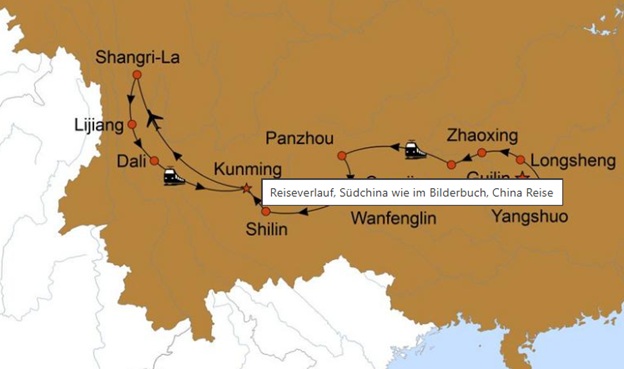
Guilin – Yangshuo – Longsheng – Zhaoxing – Congjiang – Panzhou – Wanfenglin – Shilin – Kunming – Shangri-La – Lijiang – Dali – Kunming
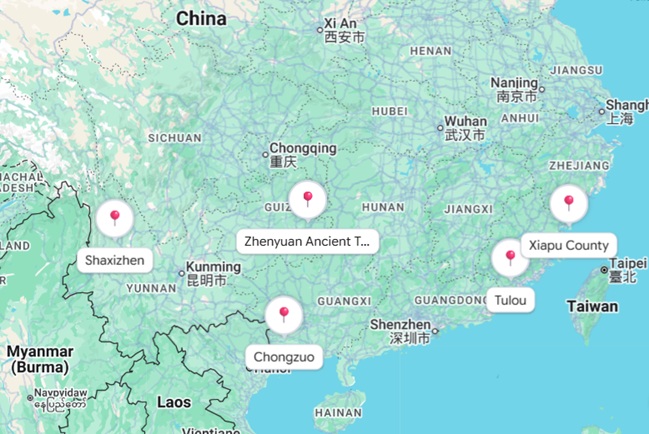
It is easy to get the impression that China travel is limited to a few massive highlights, but stepping away from the standard itinerary opens up breathtaking landscapes and deep cultural histories completely missed by the mainstream crowds. If you are exploring South China and want to escape the typical influencer trails, these destinations offer a completely different, authentic pace of life.
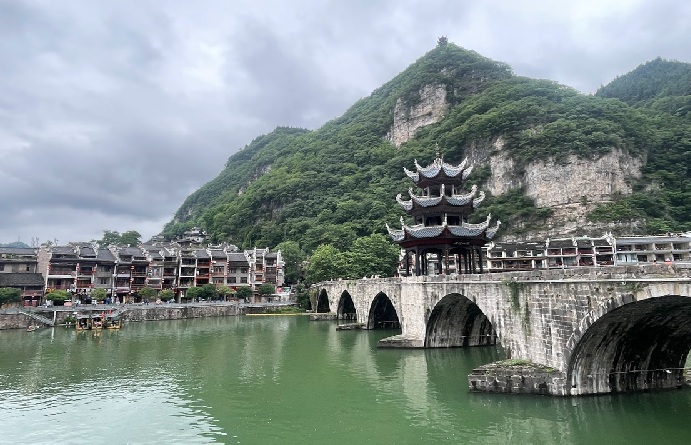
Zhenyuan Ancient Town
Tucked away in the mountains of Guizhou province, this mazelike ancient settlement is divided by the Wuyang River and offers a serene alternative to the heavily touristed towns of neighboring provinces. Its historic architecture hugs the water, backed by dramatic karst peaks.
-
Riverside Charm: The town is wonderfully tranquil by day, turning into a beautifully illuminated, glowing display along the water at night without the massive club scenes found elsewhere.
-
Black Dragon Cave: A stunning vertical temple complex built directly into the side of a cliff, showcasing a blend of Buddhist, Taoist, and Confucian architecture.
-
River Cruises: Visitors can enjoy quiet boat rides along the scenic Wuyang River to appreciate the dramatic canyon views.
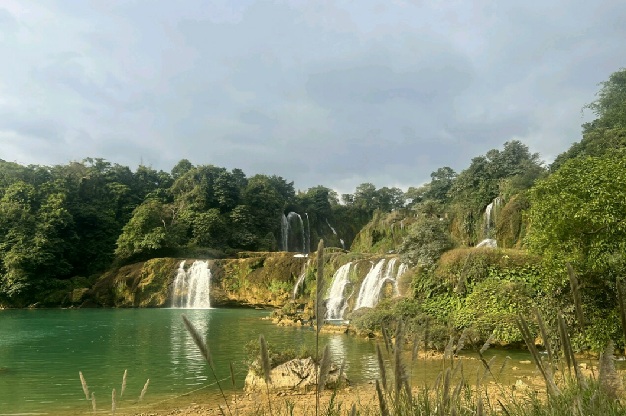
Chongzuo
Located right near the Vietnam border in Guangxi province, this region features the same majestic, mist-shrouded limestone towers that made Guilin famous, but receives only a fraction of the international foot traffic. It offers incredible pastoral scenery and dramatic water features.
-
Detian Transnational Waterfall: One of the most spectacular sights in the area, this massive multi-tiered waterfall straddles the border between China and Vietnam.
-
Crowd-Free Karsts: Rural roads weave past lush sugarcane fields, lazy rivers, and towering green peaks, making it perfect for cycling or slow road trips.
-
Eco-adventures: The surrounding nature reserves are home to rare wildlife, hidden caves, and peaceful hiking trails.
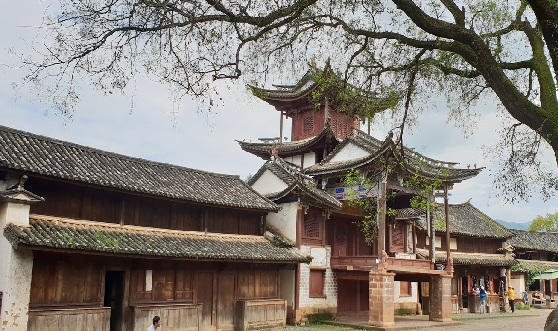
Shaxizhen
While most travelers head straight to Dali or Lijiang when visiting Yunnan, this small historic valley remains one of the best-preserved trading towns along the ancient Old Tea Horse Road. It provides a rare glimpse into traditional rural life and Naxi/Bai minority cultures.
-
Preserved Square: Sideng Square remains the historic heart of the town, featuring theater stages and traditional wooden storefronts that look as they did centuries ago.
-
Friday Market: If you time your visit right, you can witness local minority groups coming from the surrounding hills in traditional dress to trade goods and fresh produce.
-
Quiet Cafes: The town has attracted a small, low-key community of artists and writers, leading to cozy teahouses and cafes that do not disturb the historic atmosphere.
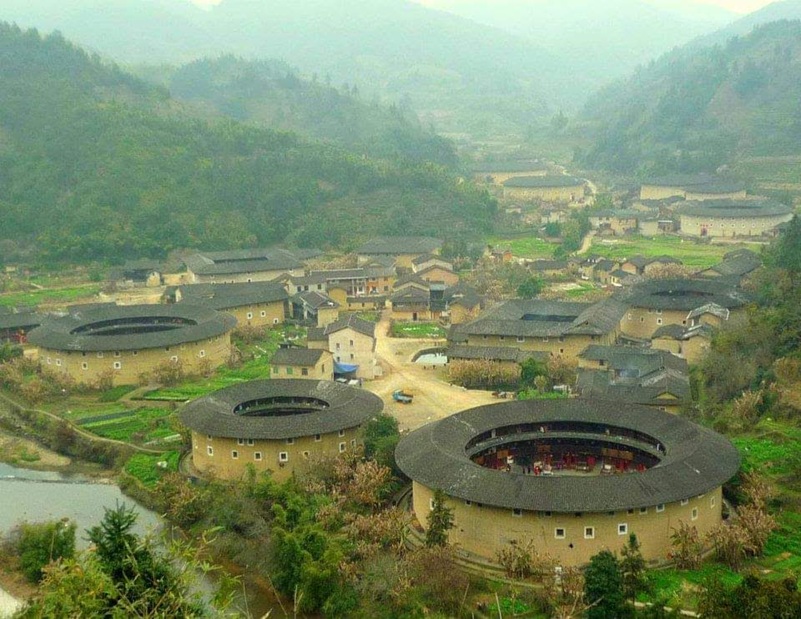
Tulou
Deep in the rural hills of Fujian province sit these extraordinary, massive earthen fortresses built by the Hakka people between the 15th and 20th centuries. These unique, circular communal buildings were designed to house entire clans and provide defense against bandits.
-
Living History: Unlike a standard museum, many of these architectural wonders are still fully inhabited by local families who continue their traditional daily routines.
-
Immersive Stays: Some clusters allow travelers to spend the night in authentic homestays inside the wooden courtyards, accompanied by home-cooked meals.
-
Architectural Diversity: While famous for being round, clusters also feature square variants, all structurally engineered using packed earth, bamboo, and wood.
Xiapu County
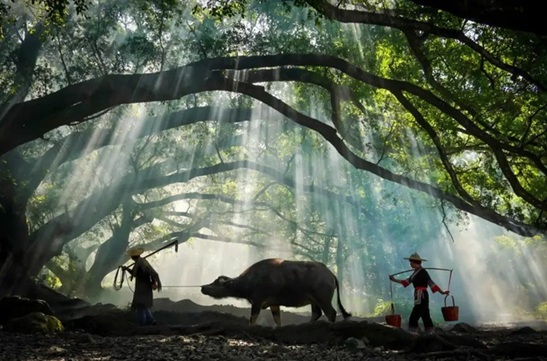
Positioned along the southeastern coast of Fujian, this area is a dream for landscape photographers but remains widely overlooked by standard vacationers. The region is famous for its massive mudflats, aquaculture farms, and striking coastal typography.
-
Misty Mudflats: At low tide, the vast mudflats reveal an otherworldly grid of thousands of bamboo poles, hanging seaweed nets, and small fishing boats.
-
Sunrises & Sunsets: The interplay of changing tides and shifting sunlight creates mirror-like coastal reflections that change dramatically by the hour.
-
Local Seafood: The area features traditional fishing villages built right over the water where you can sample incredibly fresh coastal cuisine.
Which type of scenery appeals to you most for this trip—misty mountain towns, rural minority villages, or dramatic coastal landscapes?
Southeastern China
Narrowing your focus to Jiangxi, Fujian, and Guangdong provinces allows you to chart a beautiful, contiguous path through Southeastern China. This region is rich in distinct subcultures (like the Hakka, Hokkien, and Lingnan peoples), dramatic topography, and historic trade routes that most mainstream Western itineraries completely bypass.
Here are the standout, under-the-radar highlights for each of these three provinces:
1. Jiangxi Province: Mountains, Myth, and Fairylands
While Jiangxi borders popular tourist provinces, it remains widely overlooked. It features a landscape defined by dramatic granite peaks, misty valleys, and deep Taoist heritage.
- Wangxian Valley: This looks like a mythical fantasy world come to life. Traditional style houses and hanging pavilions are built directly onto the sheer cliff faces of a lush canyon. By day you can hike the waterfalls and glass walkways, but the real magic happens at dusk when the entire cliffside village lights up against the dark valley.
- Mount Sanqingshan: Frequently overshadowed by nearby Yellow Mountain (Huangshan) in Anhui, Sanqingshan is a UNESCO World Heritage site featuring arguably even more dramatic granite pillars, ancient gnarled pine trees, and labyrinthine stone paths that seem to float on oceans of clouds. Because it’s less famous internationally, you can enjoy the mystical mountain scenery with far fewer crowds.
- Wugong Mountain: If you are into hiking and camping, this area is famous among domestic outdoor enthusiasts but unknown to Western bloggers. It features massive, high-altitude alpine meadows that roll over mountain crests for miles, offering a green “sea of grass” that turns golden in autumn.
2. Fujian Province: Maritime History and Cultural Fortresses
Fujian faces the Taiwan Strait and boasts a wild, mountainous interior paired with a coastline steeped in ancient global trade history.
- Quanzhou: Instead of the heavily commercialized island of Gulangyu in Xiamen, visit Quanzhou. During the Song and Yuan dynasties, it was the starting point of the Maritime Silk Road and one of the world’s largest ports (visited by Marco Polo). Today, it is a living museum of religious diversity, boasting China’s oldest Arab-style mosque (Qingjing Mosque, magnificent ancient stone bridges, and the spectacularly carved Guandi Temple.
- Zhangzhou: While tourists flock to the famous Nanjing Tulou clusters, neighboring Zhangzhou offers an easier entry point to less frequented, highly authentic Hakka earthen rings. The city’s own historical old town retains a wonderfully sleepy Hokkien atmosphere with classic arcaded streets (Shanzuo buildings) untouched by modern high-rises.
- Xunpu Fishing Village: Located on the outskirts of Quanzhou, this unique coastal community is famous for its “oyster shell houses”—homes traditionally constructed using large oyster shells embedded in the mortar to resist sea salt and moisture. The local Xunpu women are also famous for wearing elaborate, colorful floral headpieces (Zhenhua) as part of their daily life.
3. Guangdong Province: Watchtowers and Forgotten Coastal Towns
Guangdong is usually associated with the massive manufacturing hubs of Guangzhou and Shenzhen, but its rural areas and lesser-known coastal towns contain incredible architectural anomalies.
- Kaiping Diaolou: Located in Jiangmen, these are multi-story fortified watchtowers built in the early 20th century by returning overseas Chinese immigrants. Nestled right in the middle of rural green rice paddies, the buildings feature a surreal blend of Western architectural styles (Roman domes, Gothic arches, and Baroque facades) fused with traditional Chinese defense layouts meant to ward off bandits.
- Qingyuan (Shangyue Village): Moving north into the hills of Guangdong brings you to Shangyue, a remarkably well-preserved village dating back to the Song Dynasty. The village is famous for its distinctive “wok-handle” roof architecture (curves mimicking the high sides of a traditional Chinese wok), built to protect against wind and fire. Many of these historic brick homes are still quietly inhabited by locals.
- Nan’ao Island: If you want a slow, coastal escape, this island off the coast of Shantou is a quiet retreat. It features wind turbines spinning on emerald mountain ridges, dramatic lighthouses, uncrowded sandy beaches, and traditional fishing villages where life still revolves entirely around the daily catch and seaweed cultivation.
To plan an efficient route through these, you could easily take a high-speed train from Guangzhou to Kaiping, cross eastward over to Quanzhou/Zhangzhou via the coastal rail line, and then head north straight into the heart of Jiangxi’s mountains.
Top 10 Things to Do in Jiangxi
This video provides a great visual overview of the misty mountains and fairytale architecture found throughout Jiangxi province, showcasing sites like the Wangxian Valley and Sanqing Mountain.